

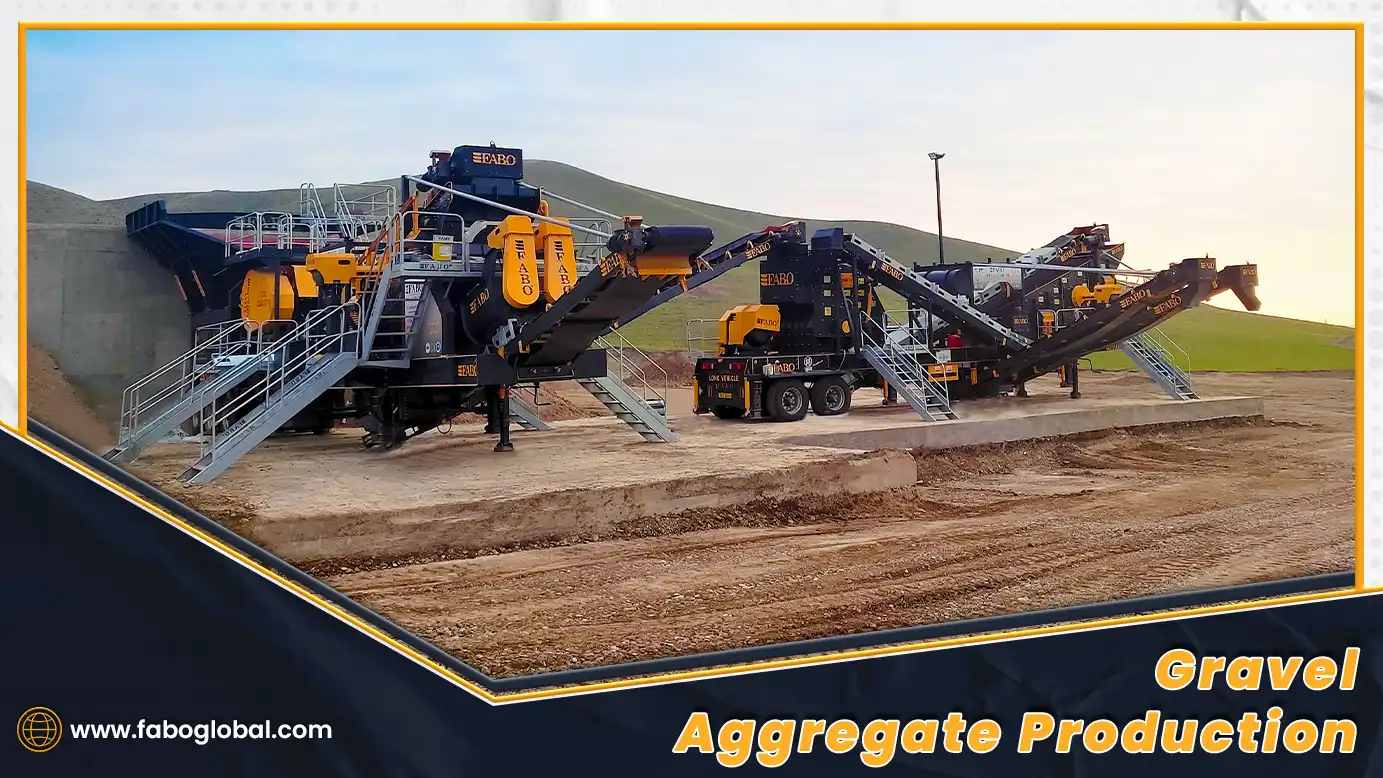
Behind every strong highway, durable foundation, and high-performance concrete structure lies one essential material: gravel aggregate. It may look simple at first glance, but the way it is produced determines the strength, longevity, and reliability of countless construction projects.
For companies operating in stone crushing, screening, and concrete plant solutions, gravel aggregate production is not just a mechanical process — it is a strategic investment. Efficiency, quality consistency, and smart plant design directly impact profitability and market competitiveness. If you are planning to enter the aggregate industry or upgrade your existing operation, understanding how production works — and how to optimize it — is the first step toward sustainable growth.
What Is Gravel Aggregate and Why Is It Essential in Construction?
Gravel aggregate refers to crushed stone or naturally occurring granular materials used as the backbone of construction projects. It forms the structural skeleton of concrete, supports asphalt pavements, and stabilizes infrastructure foundations.
Why is it so important?
Because nearly every construction application depends on properly graded and processed stone aggregate. Concrete without high-quality aggregates loses strength. Roads without stable base materials deteriorate faster. Drainage systems fail without properly sized granular layers.
In simple terms, gravel aggregate determines whether a project lasts decades — or requires early repair.
For contractors and ready-mix producers, consistent aggregate quality means fewer structural risks, better performance, and higher customer satisfaction. For producers, it means stronger market reputation and repeat business.
How Gravel Aggregate Production Works
At its core, gravel aggregate production is about transforming raw rock into precisely sized, clean, and durable construction material.
The process typically follows these stages:
- Extraction
Raw stone is sourced from quarries or natural deposits. The geological characteristics of the material influence the entire production strategy. - Primary Crushing
Large rocks are reduced into manageable sizes. This stage sets the foundation for downstream efficiency. - Secondary and Tertiary Crushing
Further size reduction ensures proper gradation and improved particle shape, which is critical for concrete strength and asphalt bonding. - Screening
Vibrating screens classify materials into different size fractions. Accurate screening ensures product consistency and reduces material waste. - Washing
Impurities such as clay, dust, and fine particles are removed to enhance bonding quality and meet construction standards. - Stockpiling and Distribution
Finished aggregates are stored separately based on size and application.
A well-designed plant does more than crush stone. It ensures smooth material flow, minimizes bottlenecks, and maximizes output with minimal downtime.
Raw Materials Used in Gravel Aggregate Production
Not all stone is created equal. The quality of the final aggregate depends heavily on the raw material selected.
Common rock types include:
- Limestone
- Granite
- Basalt
- River stone
- Sandstone
Harder rocks like granite and basalt are ideal for high-strength concrete and heavy-duty applications. Limestone, on the other hand, is widely used in general construction and road base layers.
Choosing the right raw material affects:
- Wear rates of crushing equipment
- Energy consumption
- Final product durability
- Long-term customer satisfaction
Smart producers evaluate geological conditions carefully before designing a plant. The right material, combined with the right equipment, reduces operational risk and increases profitability.
Crushing, Screening, and Washing in Gravel Aggregate Processing
These three stages define product quality.
Crushing: More Than Just Breaking Rock
Modern crushers are engineered to produce consistent particle shape and optimal gradation. The goal is not only size reduction but also improving the cubic shape of aggregates. Better shape equals better concrete performance.
Advanced crushing technology also reduces energy consumption and wear costs — two key factors in long-term operational efficiency.
Screening: Precision Matters
Screening separates aggregates into multiple commercial products. Accurate classification ensures you meet different market demands without reprocessing material.
Efficient screening increases yield and reduces recirculation, directly improving plant productivity.
Washing: Clean Material Means Stronger Results
Dust and clay contamination weaken concrete and asphalt. Washing systems remove unwanted fines, delivering cleaner and higher-value products.
Recycling water systems can further reduce environmental impact and operating costs.
When these three processes are optimized together, producers achieve higher quality output and better financial performance.
Why FULLSTAR-90 Is a Smart Choice for Gravel Aggregate Production
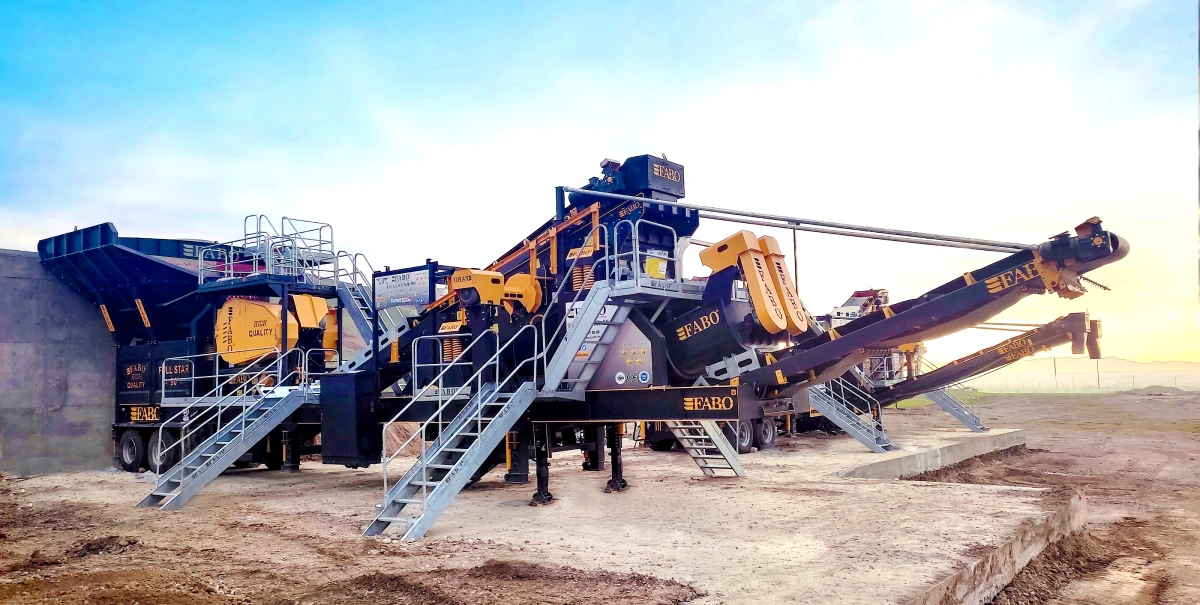
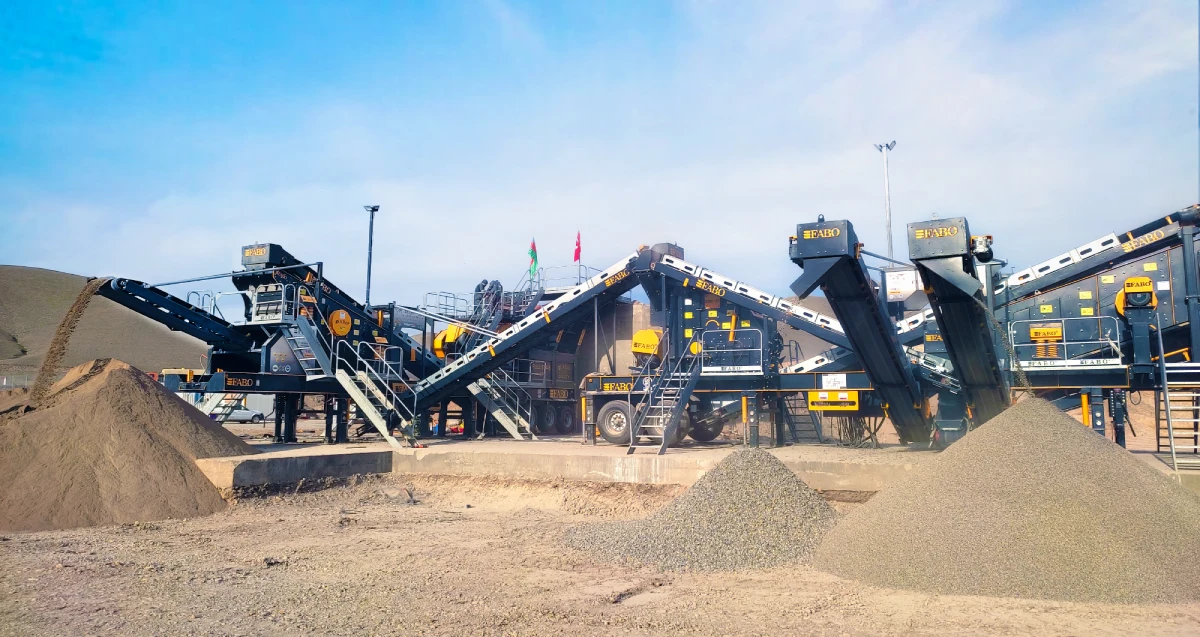
In gravel aggregate production, efficiency alone is not enough. Producers need flexibility, consistent quality, and fast return on investment. The FULLSTAR-90 Portable Crushing Screening Washing Plant delivers exactly that — in one fully integrated mobile solution.
Instead of managing multiple separate machines, FULLSTAR-110 combines crushing, screening, and washing on a single portable platform. This means faster installation, simplified operation, and quicker production start-up. The sooner you produce clean, properly graded aggregates, the sooner you generate revenue.
Built for High-Quality Aggregate Output
Gravel aggregate production demands precise size reduction and clean material. FULLSTAR-90 ensures consistent gradation, optimal particle shape, and effective removal of clay and dust. The result is high-performance aggregates suitable for concrete and asphalt applications — and stronger customer confidence.
Faster ROI with Lower Operational Risk
Every investment must justify itself. FULLSTAR-90 is engineered for optimized material flow, reduced downtime, and energy-efficient performance. Shorter installation time and integrated automation help you move from setup to production faster.
Lower wear rates, controlled operating costs, and stable performance translate into healthier margins and quicker payback.
Designed for Growing Operations
Whether you are expanding capacity, entering new markets, or upgrading outdated equipment, FULLSTAR-90 offers scalable performance without adding complexity.
It transforms raw stone into high-value construction aggregates efficiently, reliably, and profitably — making it not just a machine, but a strategic production solution.
Types of Gravel Aggregate and Their Industrial Applications
The versatility of gravel aggregate is one of its greatest advantages. Different sizes and specifications serve different industries.
- Coarse aggregates are used in reinforced concrete and structural elements.
- Fine aggregates are essential in mortar and plaster applications.
- Base materials support roads and infrastructure foundations.
- Rail ballast provides track stability and drainage.
- Specialty aggregates are used in landscaping and decorative projects.
Understanding market demand allows producers to configure their plants strategically. A flexible crushing and screening setup makes it easier to adapt to shifting customer needs.
The ability to supply multiple aggregate types from a single production line increases competitiveness and revenue potential.
Mobile vs. Stationary Gravel Aggregate Production Systems
One of the most important decisions in aggregate manufacturing is choosing between mobile and stationary systems.
Mobile Production Systems
Mobile plants offer flexibility. They can be transported to different sites, reducing raw material hauling costs. This makes them ideal for temporary projects or contractors working across multiple locations.
Benefits include:
- Faster installation
- Lower transportation expenses
- Operational adaptability
Stationary Production Systems
Stationary plants are built for long-term, high-capacity operations. They provide higher throughput and allow for greater automation integration.
Benefits include:
- Higher daily production volume
- Long-term cost efficiency
- Advanced control systems
The right choice depends on production goals, project duration, and investment strategy. A properly planned system aligns operational performance with financial objectives.
Cost and ROI in Gravel Aggregate Production
Gravel aggregate production is capital-intensive — but when planned correctly, it delivers strong and predictable returns.
Major investment components include:
- Crushing and screening equipment
- Plant installation and infrastructure
- Energy systems
- Maintenance and spare parts
- Workforce expenses
However, profitability is driven by three main factors:
- Production Capacity
Higher throughput increases revenue potential. - Operational Efficiency
Reduced downtime and optimized energy use protect margins. - Product Quality
Consistent, high-grade aggregates command better market positioning.
Automation is a game changer. Real-time monitoring systems help operators track performance, prevent failures, and improve yield ratios.
Well-engineered plants often achieve faster payback periods because they minimize waste and maximize productivity.
For businesses looking to expand in the aggregate sector, investing in reliable and scalable solutions is not an expense — it is a long-term growth strategy.