

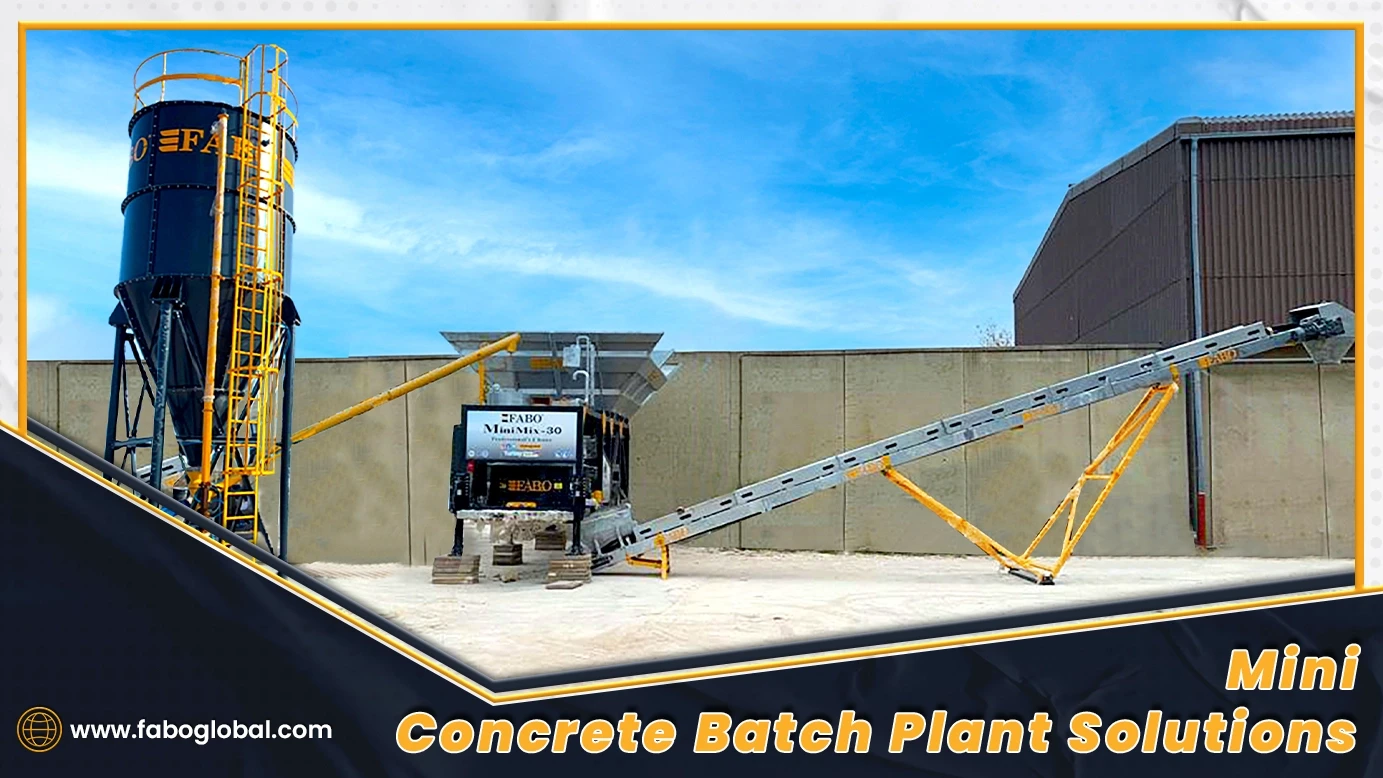
Concrete production is no longer limited to large construction sites with massive infrastructure. As projects become smaller, faster, and more location-sensitive, contractors are looking for smarter ways to produce concrete without unnecessary complexity. This is where mini concrete batch plant solutions come into play. These compact systems are designed to deliver consistent, high-quality concrete while keeping investment costs, space requirements, and operational effort under control. For companies that value flexibility and efficiency, a mini concrete batch plant is often the most practical choice.
What Is a Mini Concrete Batch Plant?
A mini concrete batch plant is a compact system designed to produce concrete in smaller volumes, typically ranging from 20 to 60 m³/h.
These plants are widely used in:
- Small construction sites
- Road and infrastructure projects
- Remote or temporary job sites
- Urban projects with limited space
👉 The biggest advantage: high efficiency in a compact footprint
Key Advantages of Using a Mini Concrete Batch Plant for Small to Medium Projects
One of the biggest advantages of a mini concrete batch plant is its compact footprint. It can be installed in areas where space is limited, making it ideal for urban or confined job sites. This alone opens up opportunities that would be difficult to manage with traditional batching plants.
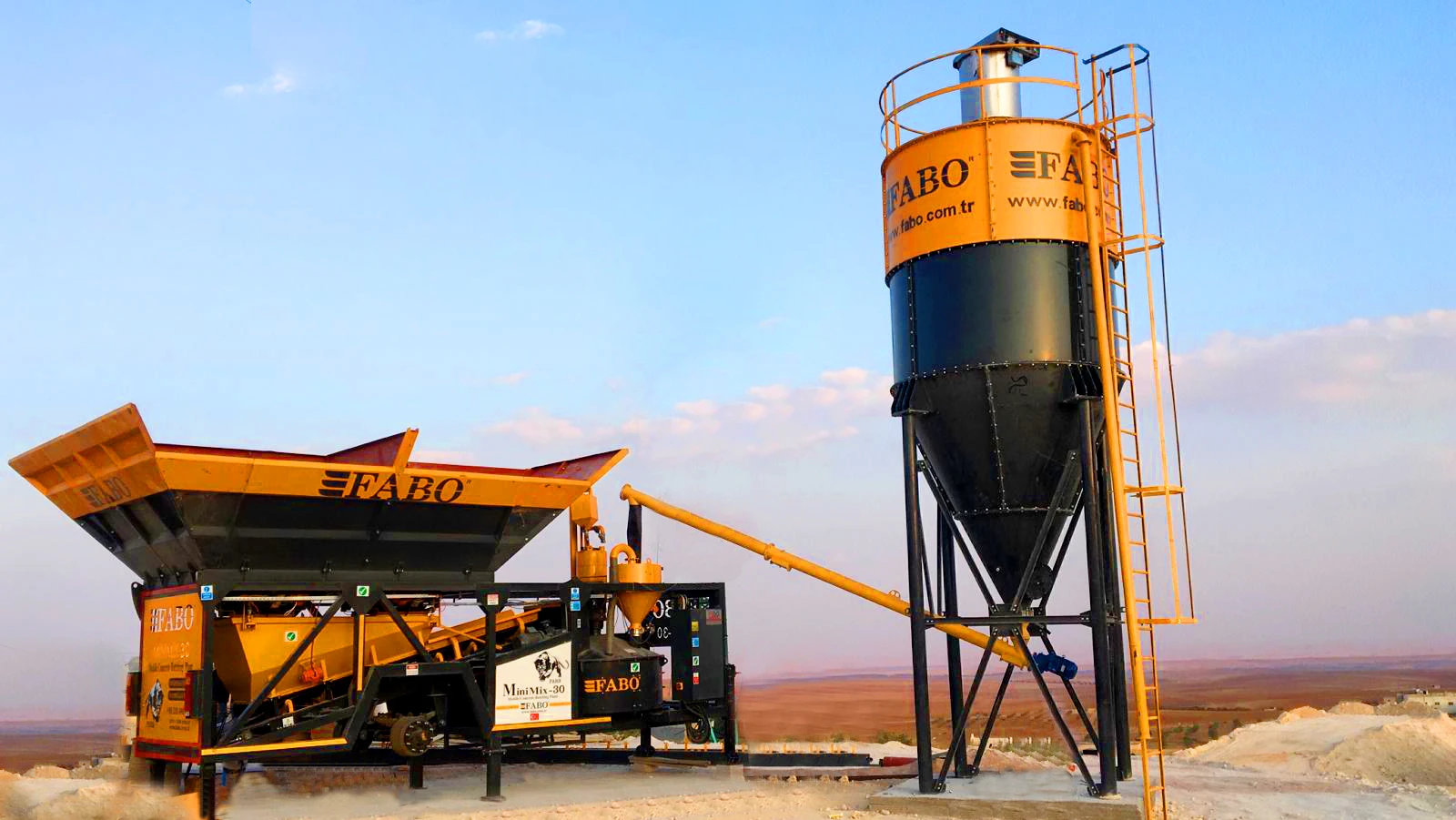
Another key benefit is cost efficiency. Mini batching systems require lower upfront investment and reduced operating expenses. They consume less energy, need fewer operators, and are easier to maintain. At the same time, they offer enough production capacity to comfortably handle small to medium-scale projects without compromising concrete quality. Flexibility is another strong point. These plants can be relocated more easily, making them suitable for contractors who work on multiple sites or temporary projects.
Mini vs Large Concrete Batch Plants
| Feature | Mini Plant | Large Plant |
|---|---|---|
| Capacity | 20–60 m³/h | 60–200+ m³/h |
| Cost | Lower | Higher |
| Mobility | High | Limited |
| Installation | Fast | Complex |
| Best For | Small/medium projects | Large-scale operations |
👉 Mini plants are the best choice for flexibility and cost efficiency.
Where Mini Concrete Batch Plants Are Most Commonly Used
Mini concrete batch plants are widely used across many construction applications. They are commonly preferred for residential developments, commercial buildings, precast concrete production, and small infrastructure projects.
They are also an excellent solution for remote or temporary job sites where access to ready-mix concrete is limited or unreliable. Having an on-site compact concrete batching plant allows contractors to control production schedules, reduce delays, and maintain consistent concrete quality throughout the project.
Operating Costs and ROI of a Mini Concrete Batch Plant
From an investment perspective, a mini concrete batch plant offers a strong balance between cost and performance. Operating expenses are significantly lower compared to larger systems, mainly due to reduced energy usage, simpler maintenance, and smaller workforce requirements.
Producing concrete on-site also helps eliminate transportation costs and material waste. Over time, these savings add up and shorten the return on investment period. For businesses managing multiple small or medium projects, a compact batching plant quickly becomes a cost-effective and profitable asset.
Main Components of a Mini Concrete Batch Plant System
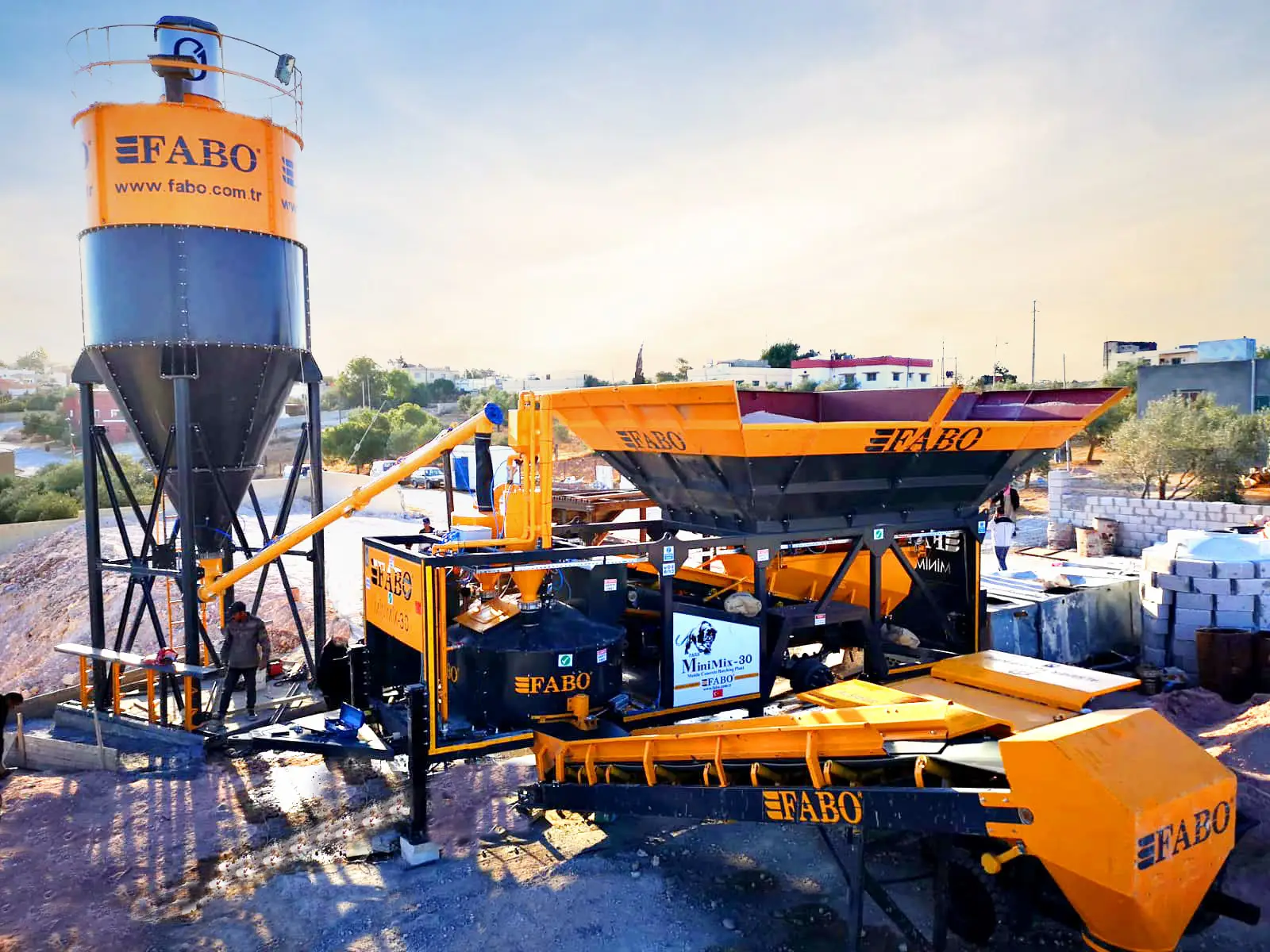
Although compact in size, a mini concrete batch plant includes all the essential components needed for reliable concrete production. These typically consist of aggregate bins, a cement silo, precise weighing units, a mixer, and a centralized control system.
Each component is designed to work together smoothly. Accurate weighing ensures consistency, while high-quality mixers provide uniform blending. Modern automation systems simplify operation and help minimize human error, resulting in stable and repeatable production performance.
Mini Concrete Batch Plant Installation and Setup Process
One of the most appreciated features of a mini concrete batch plant is how quickly it can be installed. Thanks to its modular design, installation usually requires minimal civil work and can be completed in a relatively short time.
The setup process includes positioning the plant, connecting utilities, calibrating the weighing systems, and conducting test runs. This efficient installation approach allows projects to begin concrete production without long delays, which is especially important for tight construction schedules.
How to Choose the Right Mini Concrete Plant
Before buying, consider these factors:
1. Project Size
Match plant capacity with your daily concrete needs.
2. Mobility Needs
If you work on multiple sites, a mobile plant is essential.
3. Automation Level
Automated systems reduce labor costs and errors.
4. Budget vs Performance
Focus on long-term efficiency, not just initial cost.
Best Mini Concrete Batch Plant Manufacturer
When choosing a manufacturer, reliability and experience matter.
A trusted manufacturer should offer:
- Proven project experience
- Strong after-sales support
- Global export capability
- Custom engineering solutions
Why Choose Fabo Global for Mini Concrete Batch Plant Solutions
FABO Global stands out as a leading manufacturer by combining performance, durability, and affordability.
Key Advantages:
- High-efficiency production systems
- Fast installation (ready to operate in days)
- Mobile and compact designs
- Export to 100+ countries
- Custom solutions for different project needs
👉 Whether you need flexibility or performance, FABO systems are built to deliver.