450–500 Tons/Hour
Capacity Achieved in the Field
800 mm
Maximum Feed Size
Limestone
Materials Crushed
Concrete and Asphalt Aggregate
Purpose of Production
Completed
Project Status

Stationary Crushing and Screening Plant with a Capacity of 450–500 Tons Per Hour

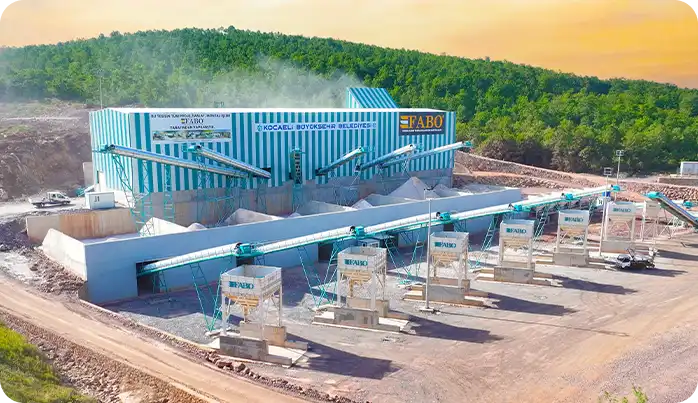
In this project, which we developed for limestone processing and the production of aggregate in various sizes, we designed an integrated crushing and screening line with a capacity of 450–500 Tons/Hour. We integrated a two-stage wobbler feeder, a jaw crusher, two impact crushers, and screening systems into a complementary production layout, from preliminary separation to final product storage.

Feeding Bunker we directed the limestone arriving from source to a two-stage wobbler feeder via a vibrating feeder. While the material separated in the first stage was removed from the line via a bypass conveyor, the material separated in the second stage was transferred to the stockpile area. We processed the coarse material that passed through the pre-screening stage in a jaw crusher and sent it to a two-deck screen; here, we directed one portion of the separated material to storage and the other to a dedicated intermediate storage area that feeds the secondary crushing line.

We designed the impact crushing line, which is fed from the intermediate stockpile area, together with a four-deck vibrating screen. While transferring the four suitable product fractions separated by the screen to the stockpile areas, we reprocessed the oversize material from the screen in a second impact crusher and returned it to the same screen. In this system, where the products collected in the stockpiles are transported via pan feeders and conveyors to six separate storage bunkers, we established separate storage arrangements for products in the 19–25, 12–19, 5–12, 0–5, 0–40, and 40–90 mm.
Project Need
done
High-capacity limestone processing and aggregate production
done
Gradual pre-separation of dirt, sand, and fine-grained material
done
Feeding the secondary crushing line from the intermediate stockpile area
done
Separate transportation and storage of six different product groups
Our Custom Solution for the Project
done
A multi-stage crushing and screening line with a capacity of 450–500 Tons/Hour
done
Two-stage wobbler feeder with separate bypass and stock outlets
done
Two impact crushers fed by a dedicated intermediate stockpile and closed-circuit screening
done
Six separate storage bunkers fed by pan feeders and conveyors
How Did We Bring the Project to Life?
Needs Analysis

We based our approach on the high-capacity processing of limestone, the pre-separation of small and contaminated fractions, and the separate storage of different product groups. We designed the production line to accommodate a capacity of 450–500 Tons/Hour and to meet the storage requirements for six product groups.

Production Line Design

We installed a dedicated intermediate storage area between the primary crushing stage and the subsequent crushing stages. By defining the roles of the jaw crusher, two impact crushers, and two screens, we established a production flow that directs the material to either the storage or re-crushing lines.

Feeding and Pre-Separation

Feeding Bunker we transferred the material coming from the source to a two-stage wobbler feeder via a vibrating feeder. While directing the material separated in the first stage to the bypass conveyor and the material separated in the second stage to the stockpile area, we fed the coarse material to the jaw crusher.

Step-by-Step Crushing

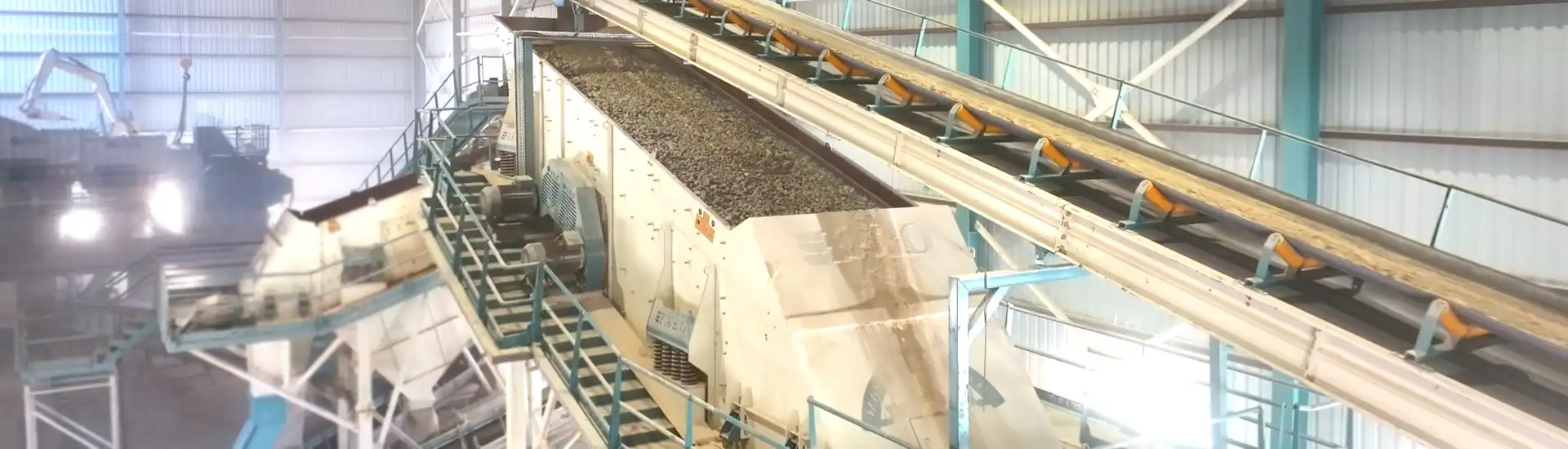
We classified the limestone, which had been crushed in the jaw crusher, using a two-deck vibrating screen. We directed a portion of the separated material to the stockpile area and the portion to be processed in the next crushing stage to a special intermediate stockpile area that feeds the secondary line.

Closed-Circuit Screening and Crushing

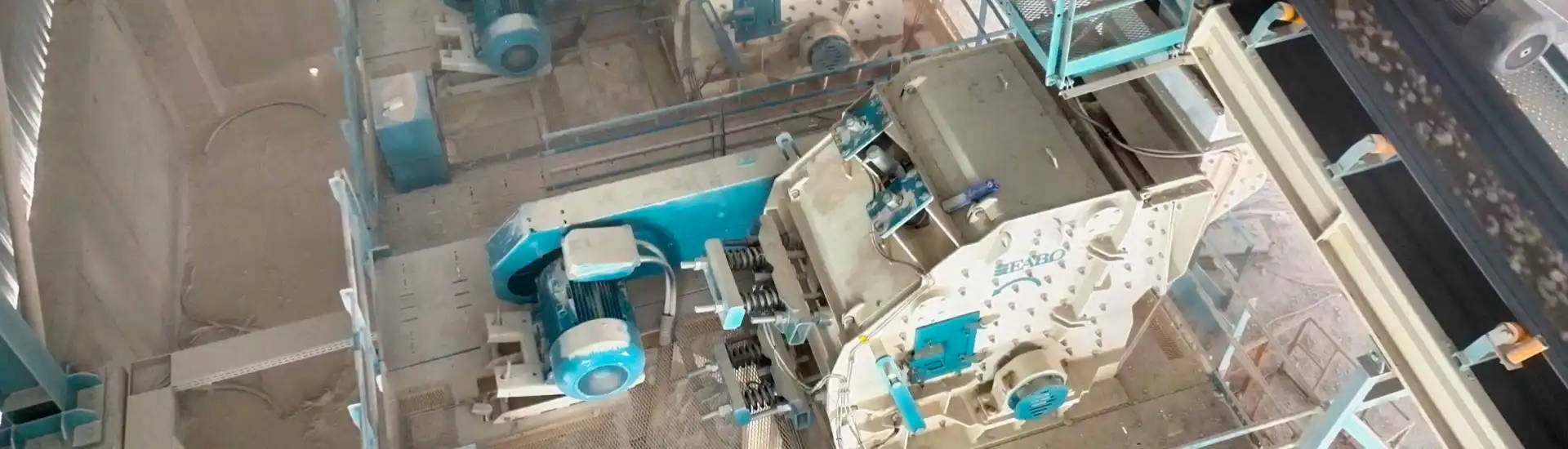
We processed the material from the intermediate stockpile in the first impact crusher and fed it into a four-deck vibrating screen. While setting aside four suitable product fractions for storage, we directed the oversize material to the second impact crusher and connected the crusher’s discharge to the same screen.

Storage of Finished Products

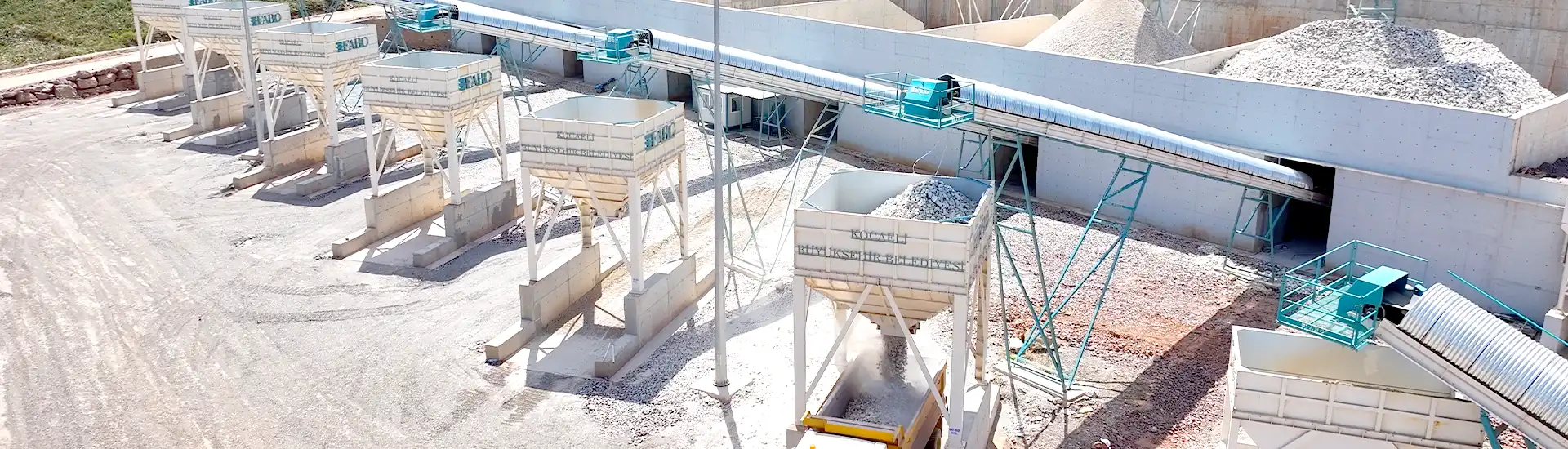
We developed a system that transports products collected in the storage areas to six separate storage bunkers using pan feeders and conveyors. We completed the production line by ensuring the separate storage of products in the 19–25, 12–19, 5–12, 0–5, 0–40, and 40–90 mm size ranges.

Equipment Used in the Project

Explore the equipment and technical specifications that make up this facility’s production line—from feeding to two-stage pre-screening, and from multi-stage crushing to six separate stockpile bunkers.

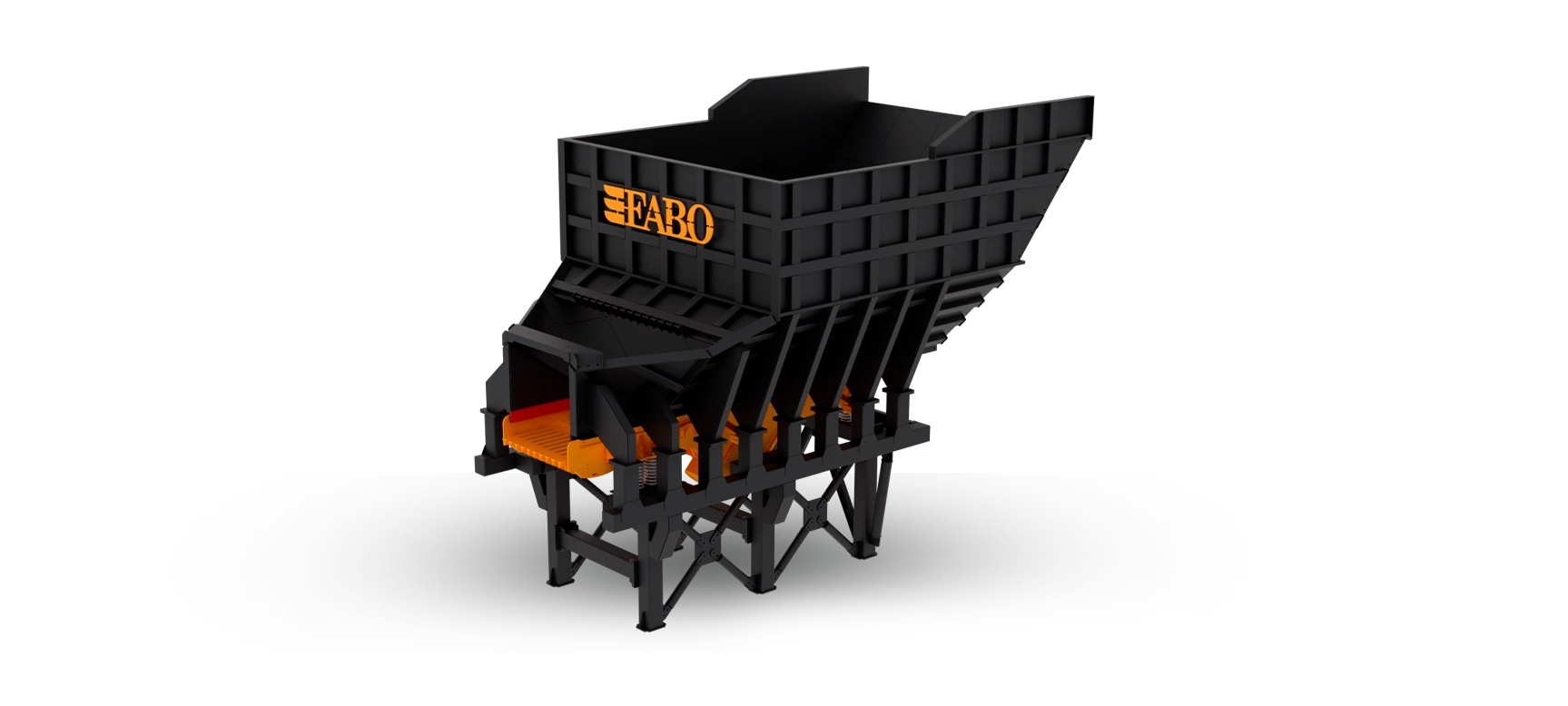
TBX-45
Feeding Bunker

It receives the limestone material arriving at the facility. It ensures that the material is conveyed to the pre-screening line via a vibrating feeder.

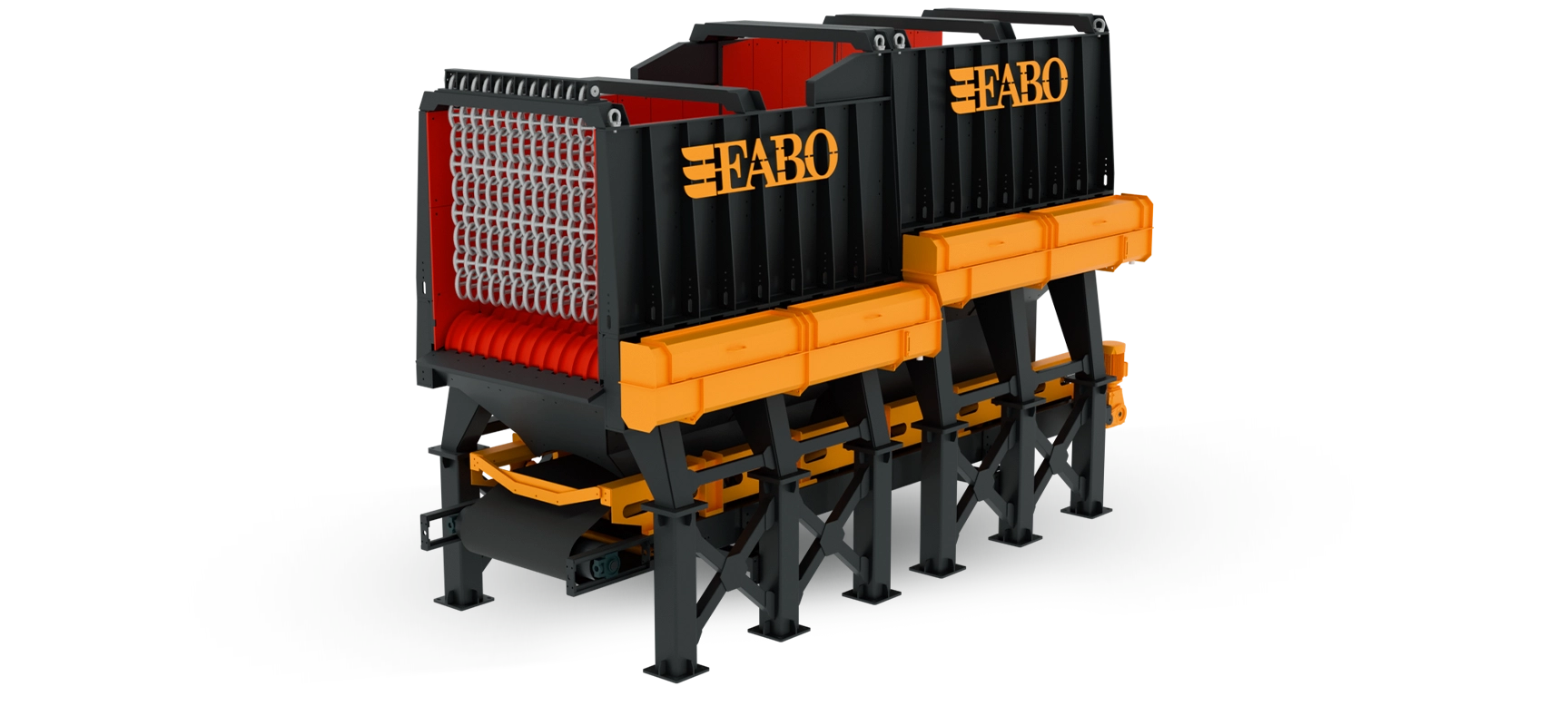
Wobbler
Feeder

It directs the material separated in the first stage to the bypass conveyor and the material separated in the second stage to the storage area. It feeds the coarse limestone that has undergone preliminary screening to the jaw crusher.

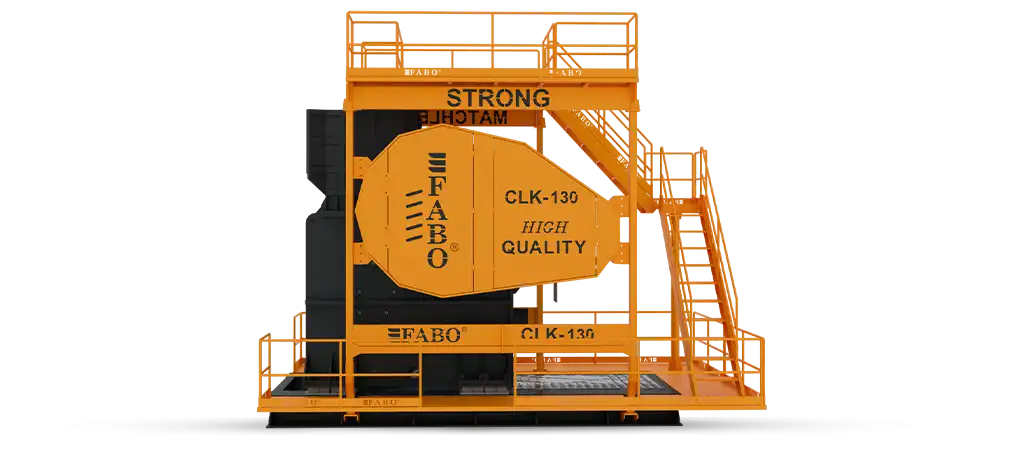
CLK-110
Jaw Crusher

The wobbler processes the coarse limestone from the feeder during the primary crushing stage. It sends the crushed material to a two-deck vibrating screen for classification.

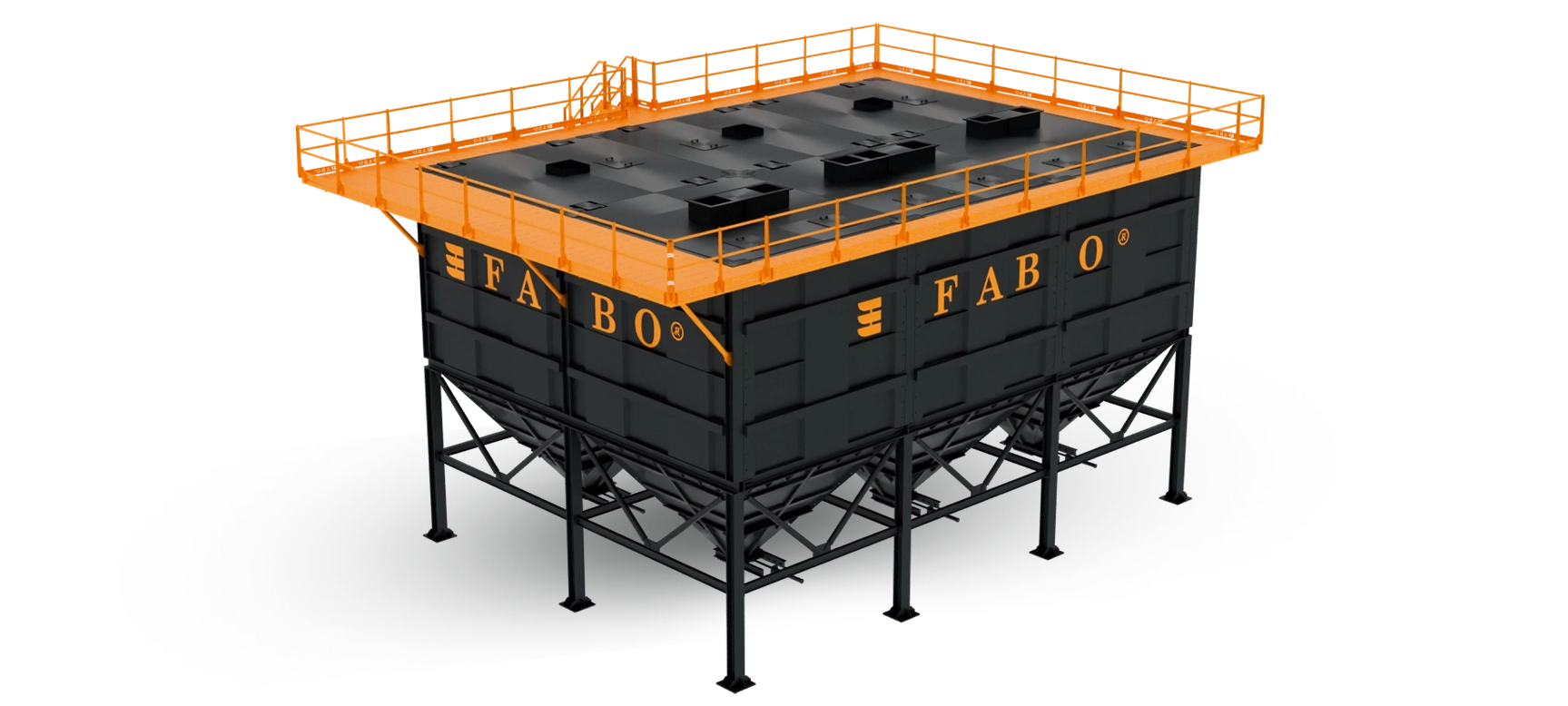
FSB-400
Stock Bunker

Six separate bunkers—19–25, 12–19, 5–12, 0–5, 0–40, and 40–90 mm—enable the separate storage of products. They receive material from the storage areas via pan feeders and conveyors.

TE Series
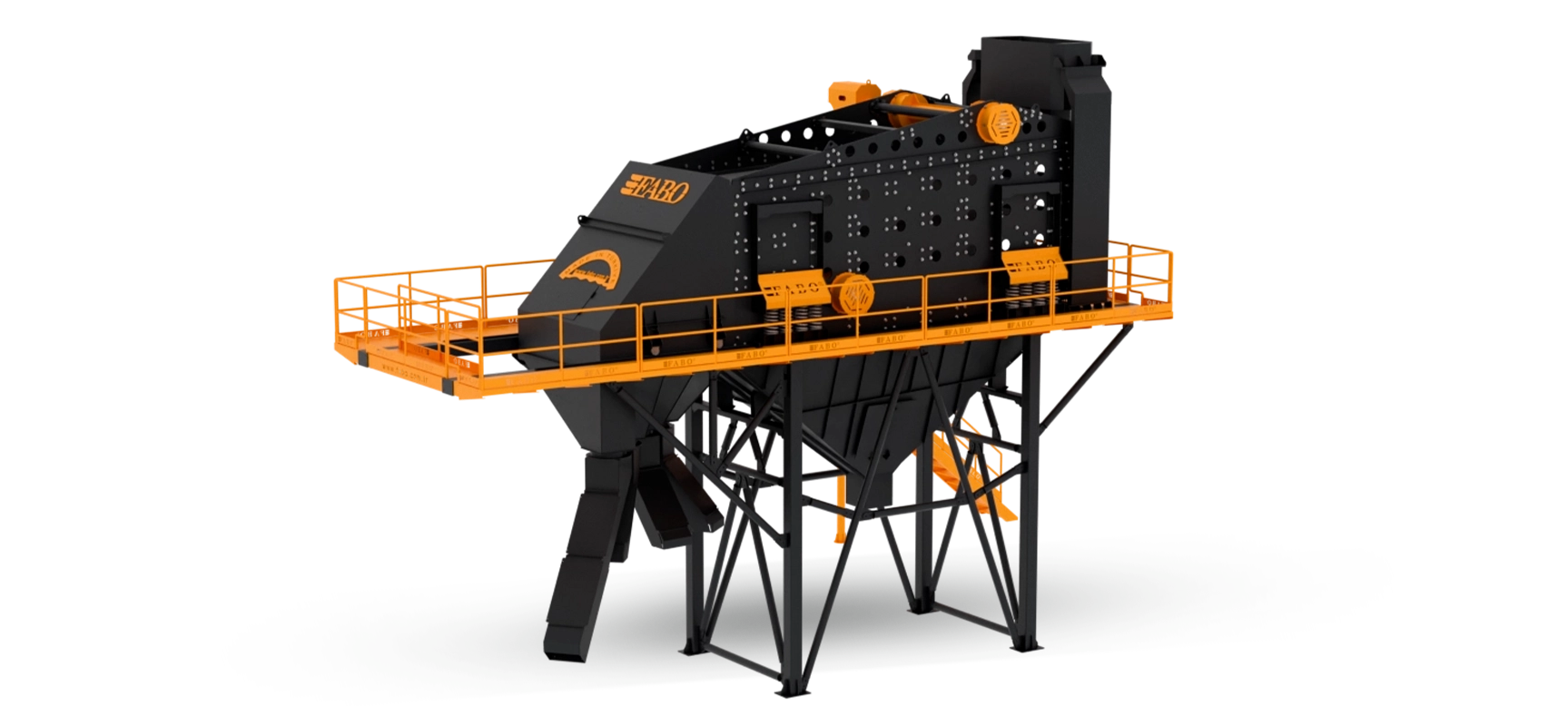
Vibrating Screens

It sorts the material coming from the impact crusher and directs the four appropriate product fractions to their respective storage areas. It directs the oversize material to a second impact crusher for re-crushing.

Project Images
FABO Global - Combined Media Slider
Get a Quote Now

At the facility we developed for limestone processing, we combined two-stage pre-screening with jaw and impact crushing stages. Discover our custom-designed production line, which consists of an intermediate storage area, a closed-circuit screening system, and six separate storage bunkers.

Ürün Detay En