

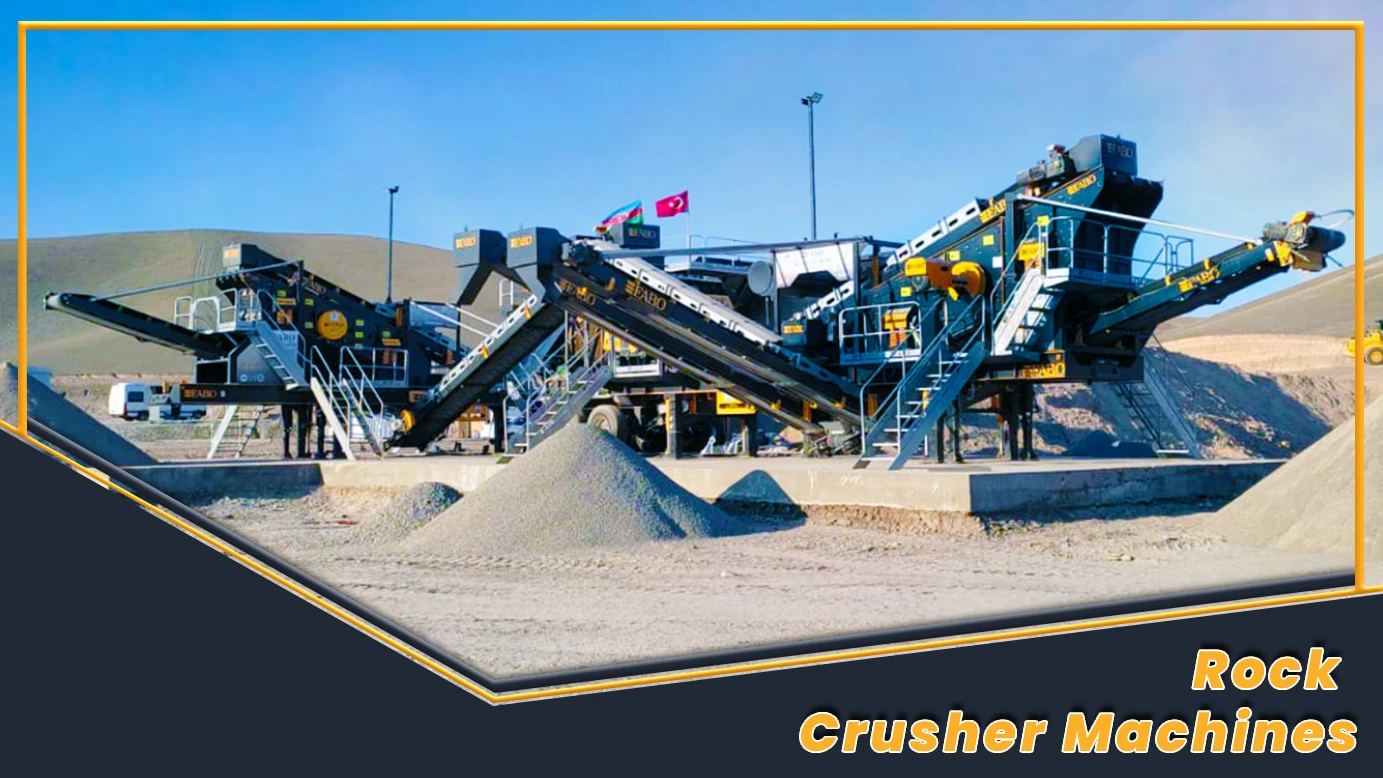
In aggregate production, mining, construction, and recycling operations, choosing the right rock crusher machine directly impacts productivity, operating costs, and long-term profitability. A well-designed crushing solution enables businesses to process more material, produce consistent aggregate quality, and reduce downtime while maintaining efficient operations. For companies seeking greater flexibility and high-quality output, solutions such as FABO Global’s rock crusher machine offer an effective way to achieve reliable on-site crushing performance. However, not all crushing equipment delivers the same results. Factors such as production capacity, material characteristics, mobility requirements, automation capabilities, and maintenance needs play a critical role in determining operational success and return on investment. Selecting the right equipment requires a clear understanding of both current production goals and future business growth plans.
What Is a Rock Crusher Machine and How Does It Work?
A rock crusher machine is designed to reduce large rocks, stones, ores, and construction materials into smaller, usable sizes for further processing or direct application. These machines form the foundation of crushing and screening operations across quarries, mines, recycling facilities, and infrastructure projects.
Primary Crushing Process
The crushing process typically begins with primary crushing, where large feed materials are reduced into manageable sizes. Jaw crushers are commonly used during this stage due to their ability to handle hard and abrasive materials.
Secondary and Tertiary Crushing
After primary crushing, materials pass through secondary and tertiary crushers such as cone crushers or impact crushers. These stages refine particle size and improve product quality according to project specifications.
Screening and Material Classification
Modern crushing plants integrate screening systems that separate materials into different aggregate sizes, ensuring consistent product quality and efficient production flow.
How to Choose the Right Rock Crusher Machine for Mining, Construction and Recycling Operations
Choosing the right rock crusher machine requires a thorough understanding of project requirements rather than focusing solely on equipment price.
Material Characteristics
Different materials require different crushing technologies. Hard granite, basalt, and mining ores often demand jaw and cone crusher combinations, while softer materials and recycled concrete may benefit from impact crushing systems.
Production Requirements
Target production capacity significantly influences equipment selection. Operations producing hundreds of tons per hour require different configurations than smaller-scale projects.
Site Conditions
Available space, transportation logistics, and project duration should influence whether a mobile or stationary solution is selected.
Future Expansion Plans
Many operators overlook future growth requirements. Investing in scalable crushing solutions can reduce future capital expenditures and operational disruptions.
Why Is FABO Global a Trusted Rock Crusher Manufacturer?
Selecting a manufacturer is as important as selecting the equipment itself. Long-term operational success depends heavily on engineering quality, technical support, and spare parts availability.
FABO Global has established itself as a trusted manufacturer by delivering crushing and screening solutions to customers across Europe, the Middle East, Africa, Asia, and North America. The company combines advanced engineering practices with extensive field experience gained through diverse quarrying, mining, and construction applications.
Engineering Expertise
Every project presents unique challenges. FABO Global develops solutions tailored to material characteristics, production goals, and site requirements.
Advanced Manufacturing Standards
High-quality components, durable steel structures, and rigorous quality control processes contribute to long equipment service life and operational reliability.
Global After-Sales Support
Comprehensive technical support, training services, spare parts availability, and remote assistance help customers maintain uninterrupted production.
Automation and Customization
Modern control systems, automated process management, and customized plant configurations allow operators to maximize productivity and operational efficiency.
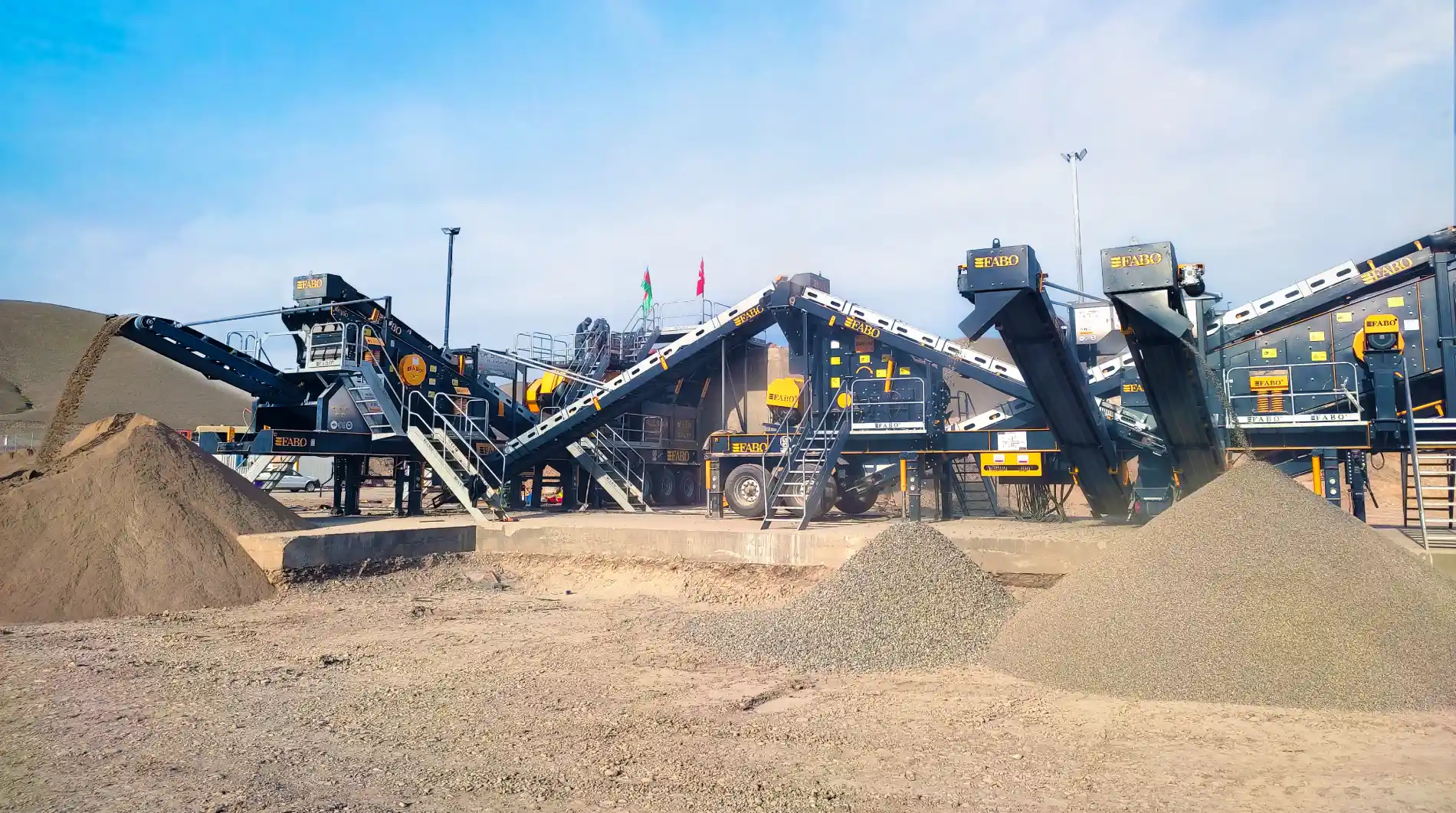
Rock Crusher Machine Cost and ROI
One of the most frequently asked questions is how much a rock crusher machine costs and whether the investment delivers acceptable returns.
Initial Investment Costs
Equipment costs vary significantly depending on capacity, crusher type, automation level, and plant configuration. Mobile plants generally require lower infrastructure investment, while stationary facilities often offer greater production capacity.
Operating Expenses
Total ownership costs include:
- Energy consumption
- Wear parts replacement
- Maintenance labor
- Downtime costs
- Transportation expenses
- Operator training
Calculating ROI
Return on investment depends on several factors:
- Production volume
- Product quality
- Equipment availability
- Energy efficiency
- Maintenance costs
- Market demand
In many aggregate production operations, reducing downtime by even a small percentage can generate substantial annual savings and accelerate payback periods.
What Production Capacity Should a Rock Crusher Machine Have for Maximum Profitability?
Capacity selection directly influences profitability.
Purchasing an oversized plant may increase investment costs unnecessarily, while undersized equipment can create production bottlenecks and lost revenue opportunities.
Matching Capacity to Market Demand
Operators should evaluate both current and projected aggregate demand. Capacity planning should support production goals without creating excessive idle time.
Understanding Throughput Ratings
Manufacturers often publish theoretical capacities. Real-world performance depends on feed size, material hardness, moisture content, and plant configuration.
Balancing Capacity and Efficiency
Maximum profitability is achieved when production capacity aligns with operational requirements while maintaining efficient resource utilization.
Mobile Rock Crusher Machine vs Stationary Crushing Plant
Choosing between mobile and stationary crushing solutions is one of the most important investment decisions.
Mobile Rock Crusher Machine Advantages
- Faster deployment
- Reduced transportation costs
- Greater operational flexibility
- Ideal for temporary projects
- Easier relocation between sites
Stationary Crushing Plant Advantages
- Higher production capacities
- Lower long-term operating costs
- Greater scalability
- Better suited for permanent operations
Key Factors That Affect Rock Crusher Machine Performance and Productivity
Several operational factors directly impact crushing efficiency and plant profitability.
Feed Material Characteristics
Material hardness, abrasiveness, moisture content, and feed size influence crusher performance and wear rates.
Equipment Configuration
Proper equipment selection and plant design ensure balanced material flow throughout the crushing process.
Maintenance Practices
Preventive maintenance programs significantly reduce unexpected breakdowns and improve equipment availability.
Automation Technologies
Modern automation systems continuously monitor production variables and optimize operating parameters in real time.
Operator Training
Well-trained operators can improve productivity, reduce wear, and identify potential issues before they escalate into costly failures.
How Rock Crusher Machines Support Sustainable Quarrying and Recycling Operations
Sustainability has become a major priority across the aggregate and construction industries.
Modern rock crusher machine technologies help businesses reduce environmental impact while maintaining strong production performance.
Recycling Construction Waste
Crushing systems transform concrete, asphalt, and demolition materials into valuable recycled aggregates, reducing landfill waste.
Lower Energy Consumption
Advanced drive systems and optimized crushing chambers contribute to improved energy efficiency.
Reduced Transportation Emissions
Mobile crushing plants allow material processing directly at project sites, minimizing truck transportation requirements.
Supporting Circular Economy Goals
Recycled materials can be reintroduced into construction projects, supporting sustainable resource management practices.
What Should You Consider Before Investing in a Rock Crusher Machine?
Before making an investment decision, buyers should evaluate several critical factors.
Capacity Requirements
Production targets should guide equipment sizing and plant design.
Material Type
Understanding material properties ensures proper crusher selection and long-term reliability.
Site Conditions
Available space, infrastructure, and logistics can significantly influence plant configuration choices.
Maintenance Expectations
Easy access to wear parts, service support, and spare components can reduce lifetime operating costs.
Budget and Ownership Costs
Investment decisions should consider total lifecycle costs rather than purchase price alone.
Expansion Opportunities
Flexible plant designs allow future production growth without major system modifications.