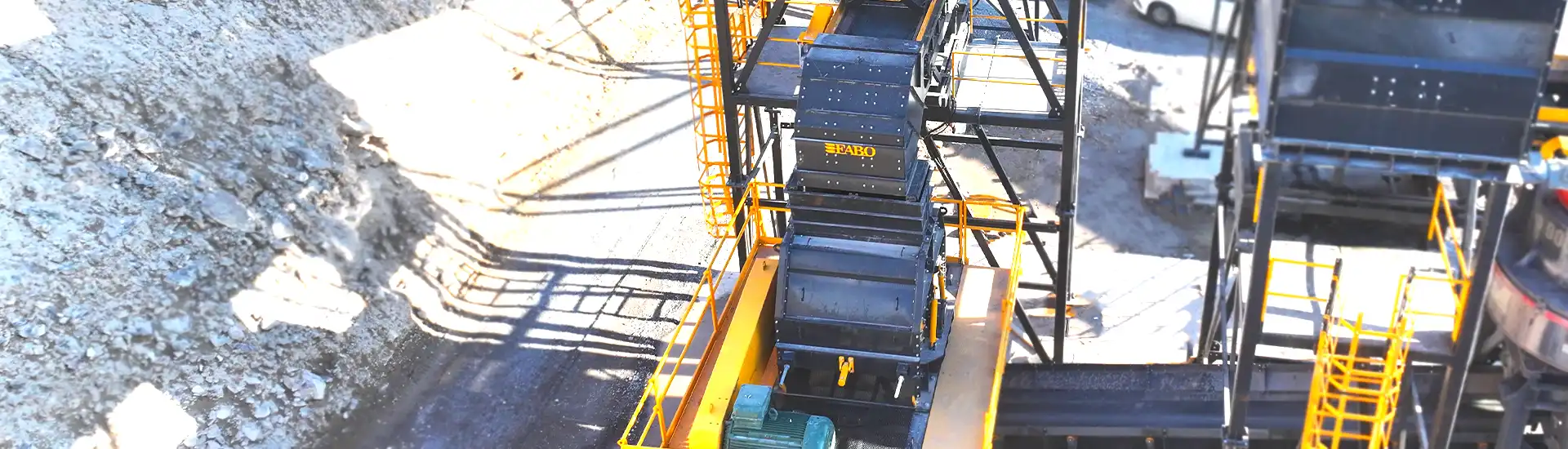
500 Tons/Hour
Capacity Achieved in the Field
1000 mm
Maximum Feed Size
Basalt
Materials Crushed
Concrete and Asphalt Aggregate
Purpose of Production
Completed
Project Status

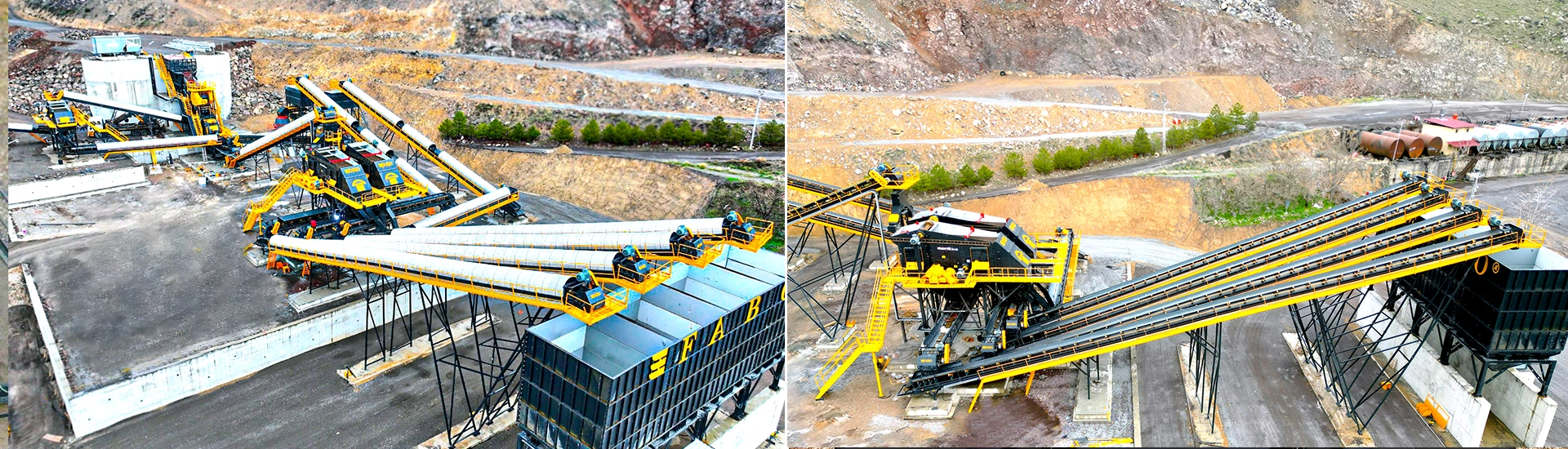
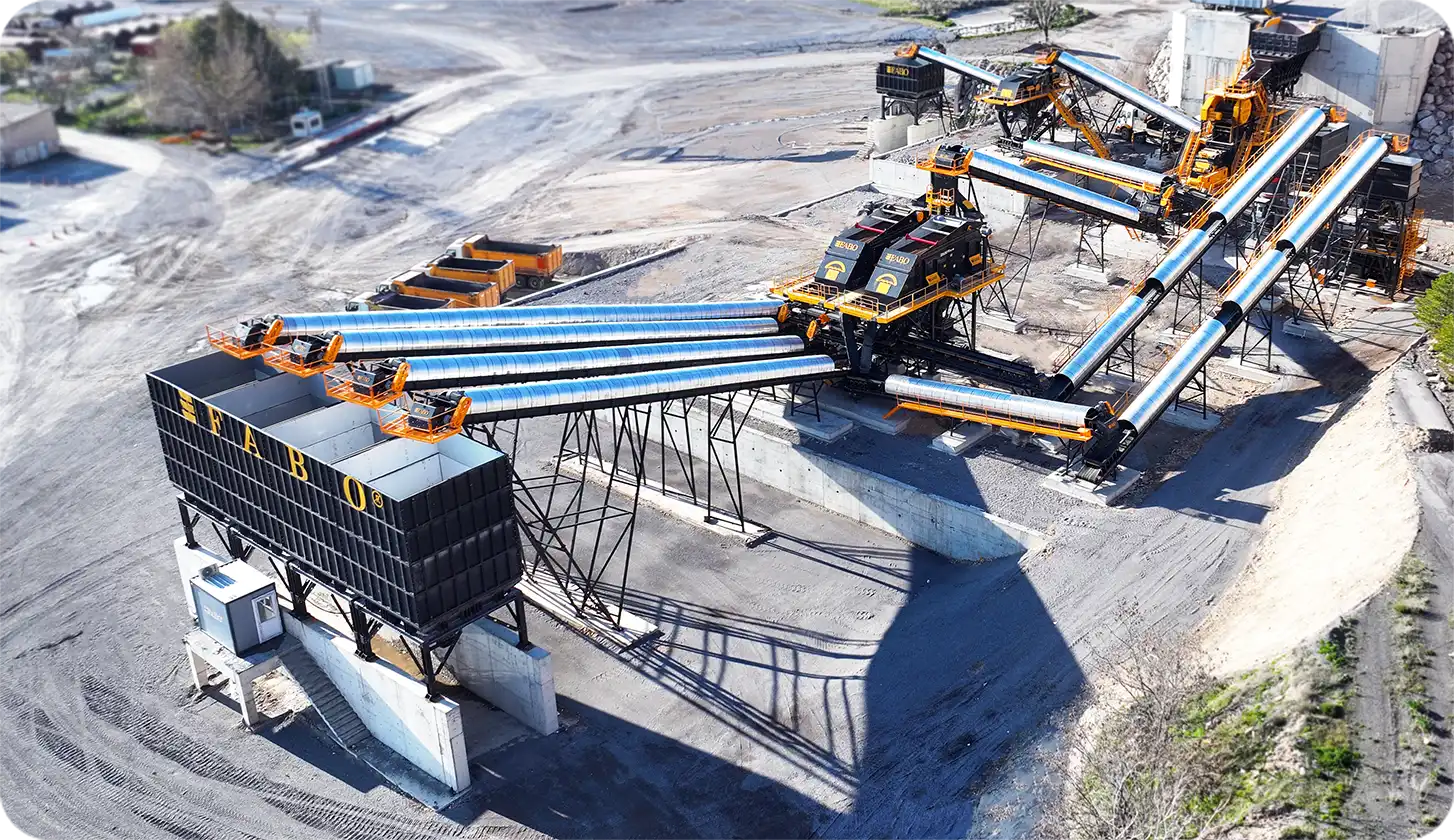
Stationary Crushing and Screening Plant with a Capacity of 500 Tons/Hour

In this project, which we developed for basalt processing and the production of aggregate in various sizes, we designed an integrated crushing and screening line with a capacity of 500 Tons/Hour. We planned the feeding, pre-screening, multi-stage crushing, and stockpiling processes together, taking into account the material’s properties and production requirements.

We combined the pre-screening — which begins with a grizzly screen and a bypass screen—with the crushing stages that follow, using jaw crushers and secondary impact crushers. We created a closed-loop production flow in which material classified on two horizontal screens is directed to four separate stockpile bunkers based on size, while vertical shaft and tertiary crushers handle the fractions that require re-crushing.
Project Need
done
High-capacity basalt processing and aggregate production
done
Preliminary separation of impurities and fine particles from the feed material
done
Reprocessing of material that does not meet the target product dimensions
done
Separate storage of finished products of different sizes
Our Custom Solution for the Project
done
A multi-stage crushing and screening line with a capacity of 500 Tons/Hour
done
Separation and material routing using a grizzly screen and bypass screen
done
Vertical shaft and tertiary crushers operating in a closed circuit with horizontal screens
done
Two horizontal screens and four separate final product storage bunkers
How Did We Bring the Project to Life?
Needs Analysis

We based our design on the need to process basalt material, separate impurities from the feedstock, and produce aggregate in various sizes. We designed the production line to have a capacity of 500 Tons/Hour and to allow for the separate storage of the final products.

Production Line Design

We designed the pre-screening, jaw crushing, secondary crushing, and screening stages as an integrated line. We incorporated vertical shaft and tertiary crushers into the production flow to handle the different fractions that require reprocessing after screening.

Feeding and Pre-Separation

We directed the material from the feed hopper to a grizzly screen. By re-classifying the separated fine and contaminated material on a bypass screen, we established a flow in which one fraction is sent to the bypass stockpile area, while the material retained on the screen is transferred to the horizontal screens.

Step-by-Step Crushing

We planned to process the material remaining after pre-screening first in a jaw crusher and then in a secondary impact crusher. We directed the basalt, which had been reduced in size in two stages, to two horizontal vibrating screens for classification.

Closed-Circuit Screening and Crushing

We directed the two different fractions separated by the horizontal screens—which needed to be re-crushed—to the vertical shaft and tertiary crusher lines. By reconnecting the output of both crushers to the same horizontal screens, we ensured that the material was reprocessed and reclassified.

Storage of Finished Products

We set up a system in which the appropriately sized products coming off the horizontal screens are collected in four separate storage bunkers. By keeping the bypass storage area separate, we separated the storage processes for the material coming from the pre-sorting stage from those for the final products.

Equipment Used in the Project

Explore the equipment and technical specifications that make up this facility’s production line—from feeding to pre-sorting, and from multi-stage crushing to final product storage.

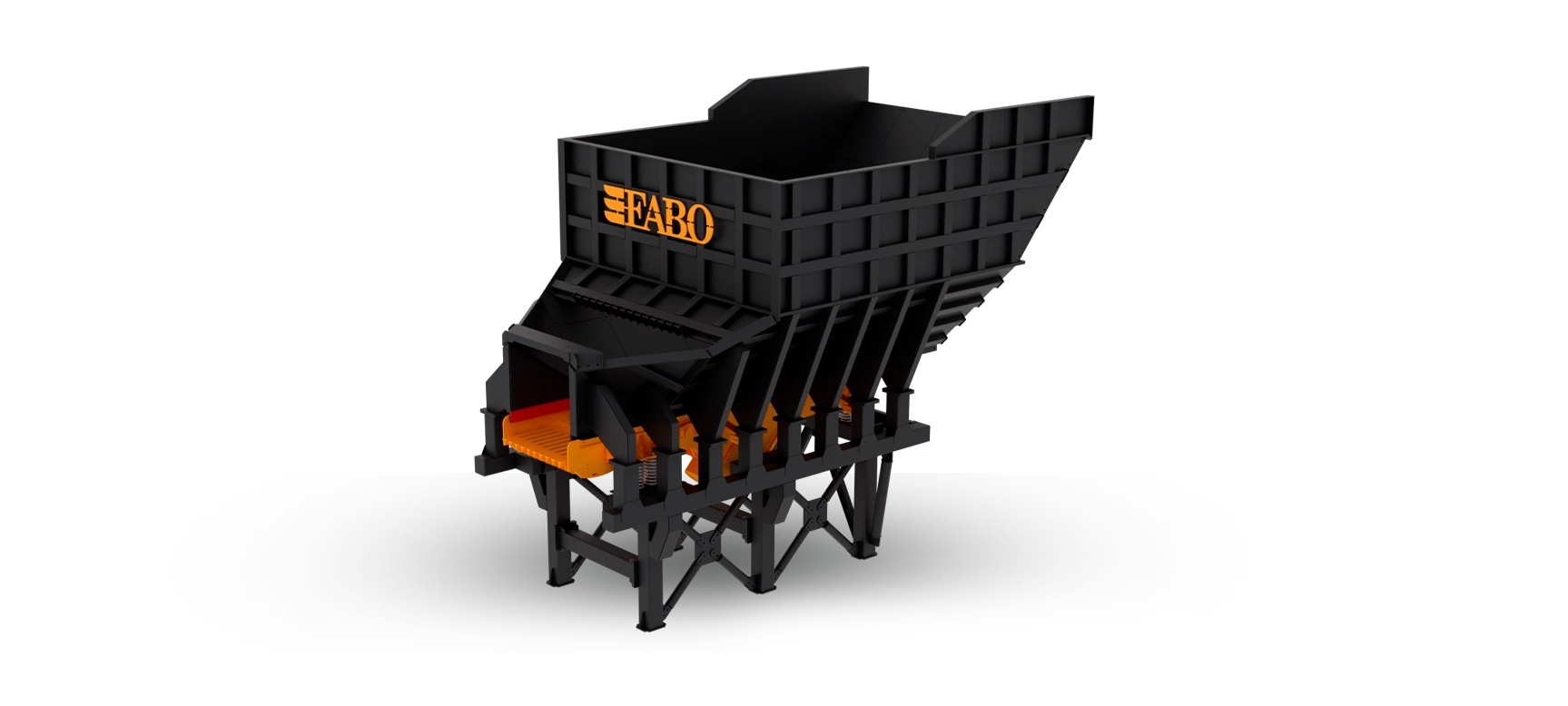
TBX-50Feeding Bunker

It receives the basalt material arriving at the facility. Using its vibrating feeder, it transfers the material to a grizzly screen for preliminary screening.

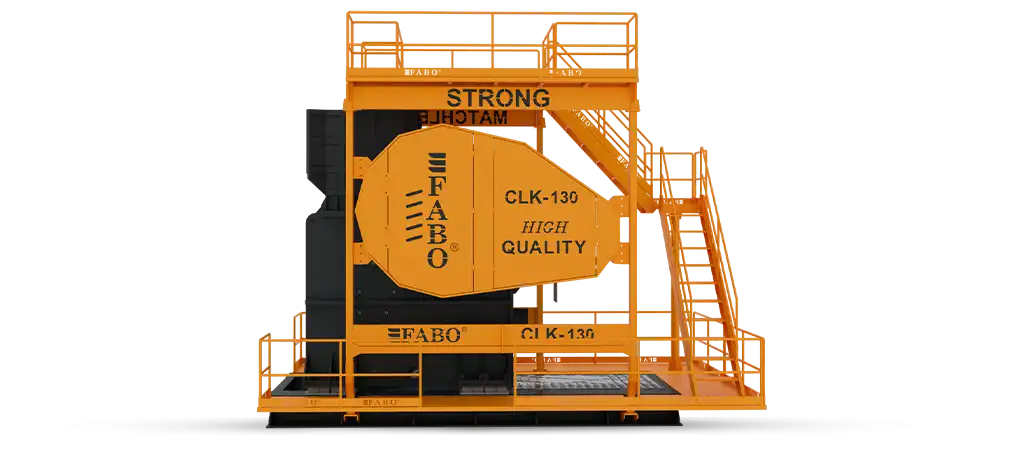
CLK-130
Jaw Crusher

It processes the basalt material from the pre-screening stage during the primary crushing stage. It reduces the size of the material to prepare it for the secondary crushing stage.

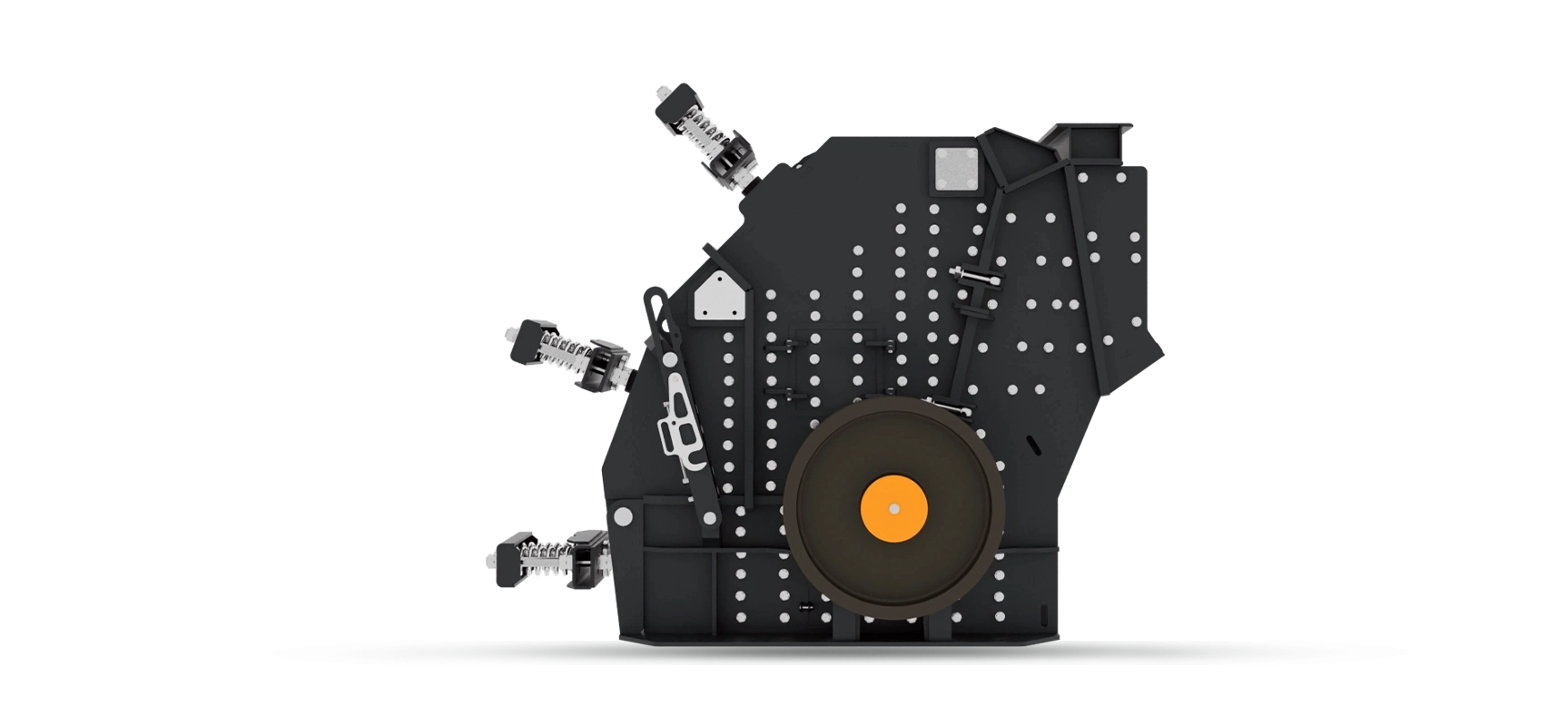
HDK-1115
Secondary Impact Crusher

The basalt from the jaw crusher is processed in the second crushing stage. The crushed material is transferred to two horizontal screens for classification.

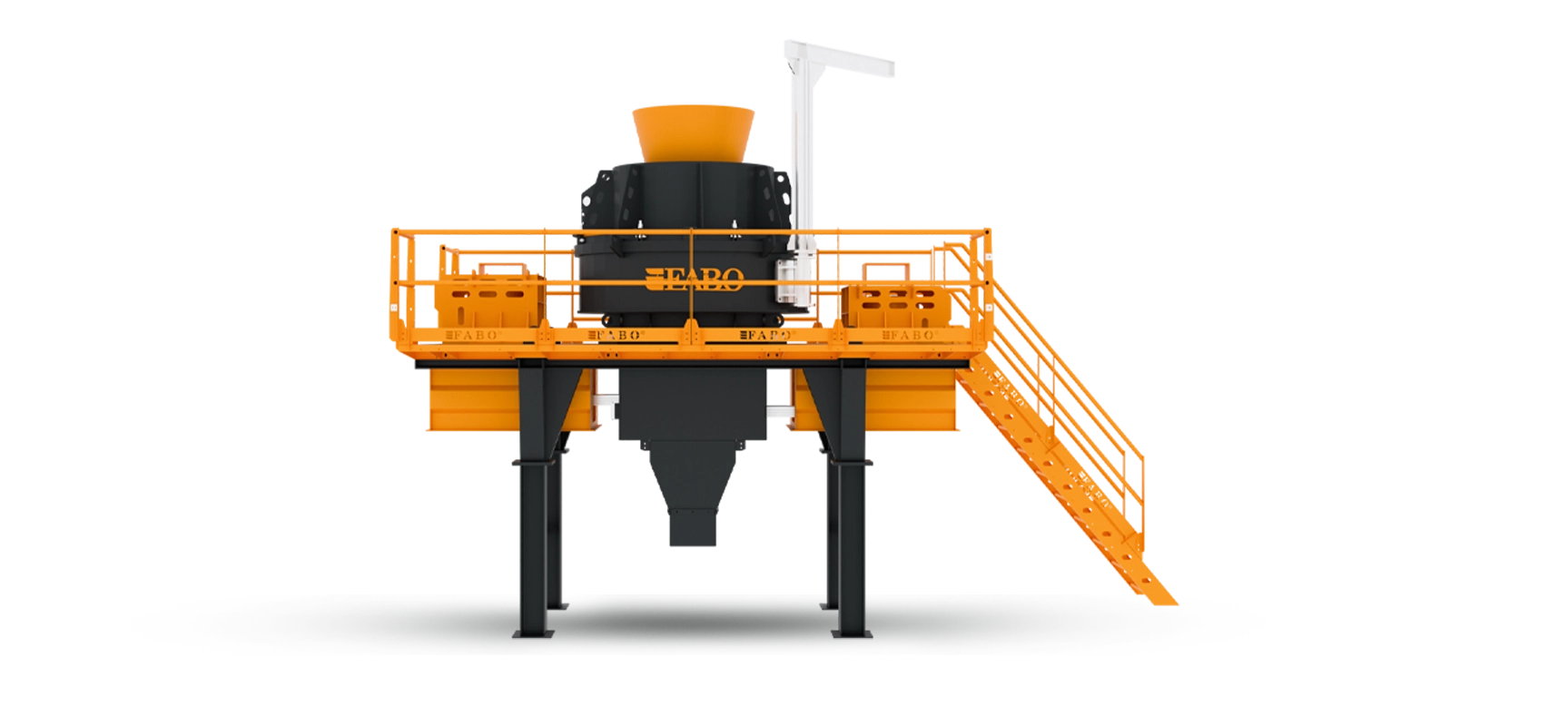
VSI-900 CR
Vertical Crusher

It processes one of the fractions separated by the horizontal screens. The material from the crusher outlet is returned to the horizontal screens for reclassification.

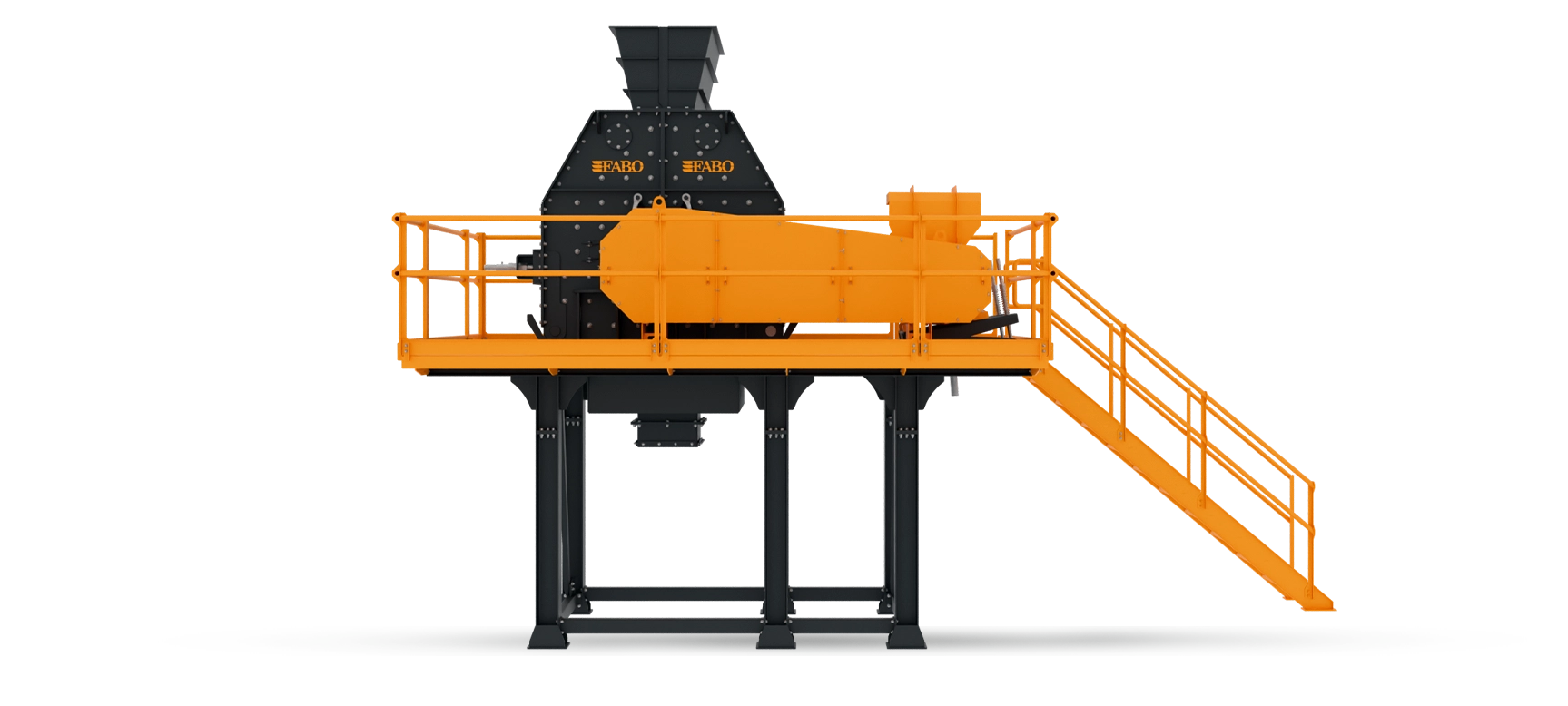
TK-150
Tertiary Impact Crusher

It reduces the size of the other fraction—which is directed from the horizontal screens—by re-crushing it. The processed material is returned to the same horizontal screens for product separation.

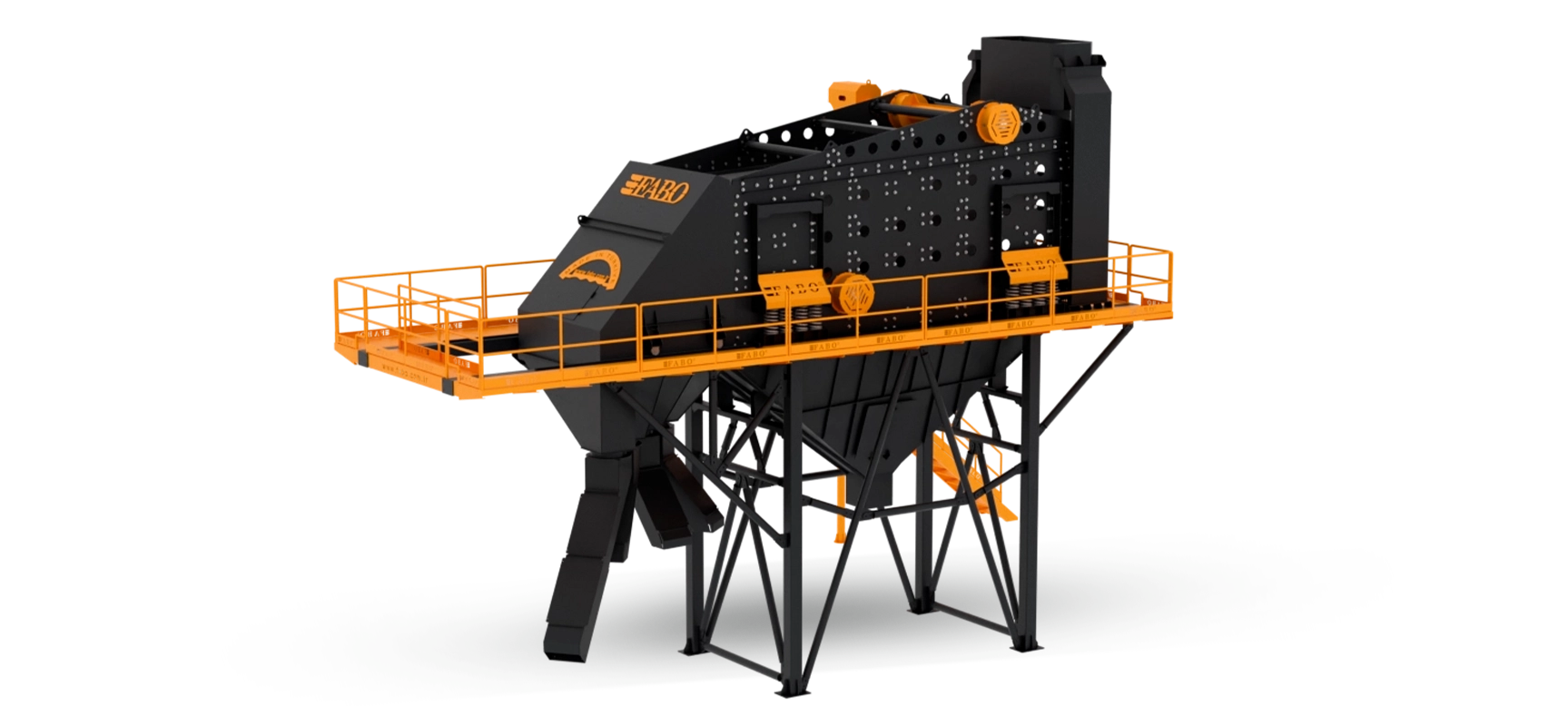
HTE Series
Vibrating Horizontal Screens

Two horizontal screens classify the material by size. They direct suitable products to the storage bunkers and the fractions that need to be re-crushed to the vertical shaft and tertiary crusher lines.

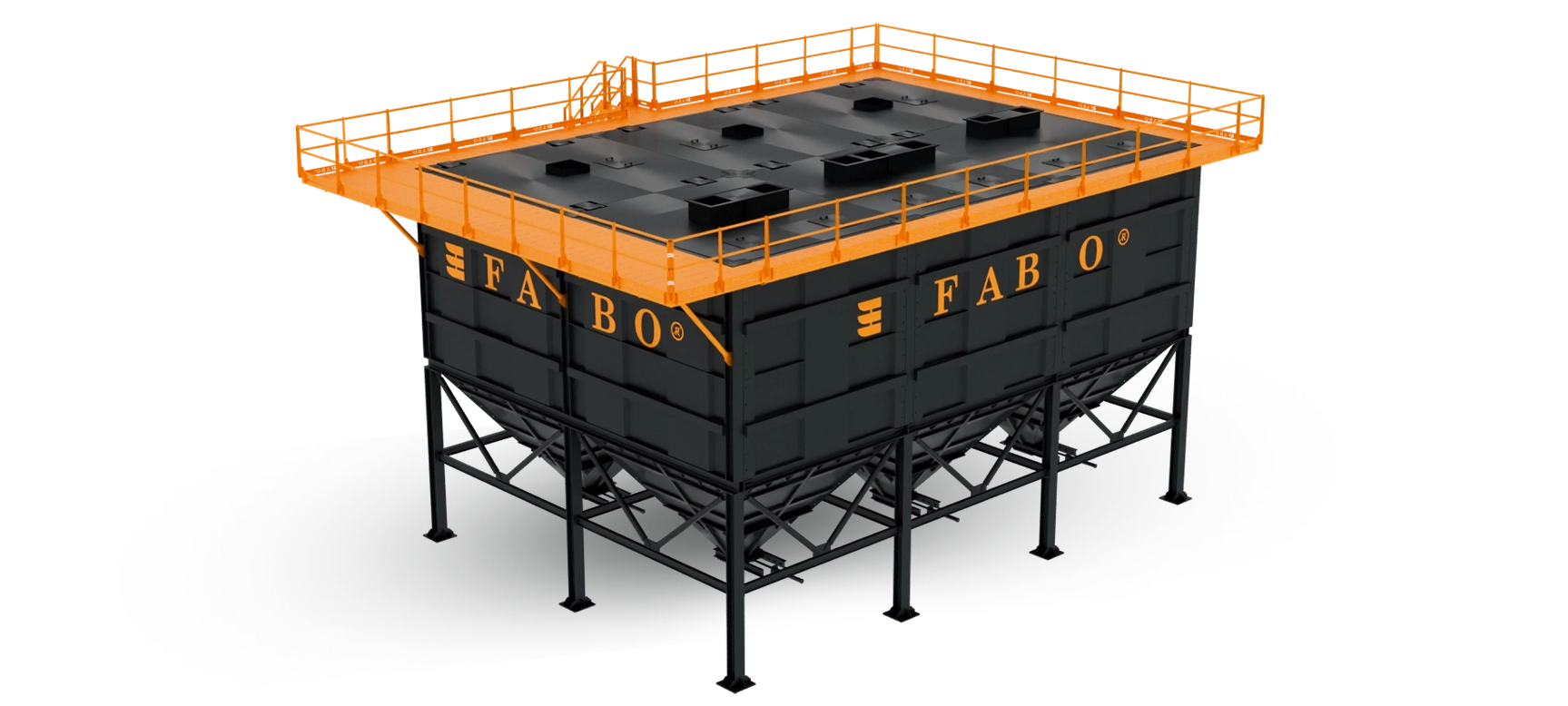
FSB-400
Stock Bunker

It collects the appropriately sized aggregates separated by horizontal screens into four separate bunkers. This ensures that different product fractions are stored without mixing.

Project Images
FABO Global - Professional Media Slider
Sabit Kırma Eleme Tesisi
Çeneli Kırıcı
Yatay Titreşimli Elek
Küçük Görsel 1
Video Küçük Görsel 2
Küçük Görsel 3
Küçük Görsel 4
Üçüncül Kırıcı Videosu
Çeneli Kırıcı Görseli
Çeneli Kırıcı Videosu
Yatay Titreşimli Elek Görseli
Yatay Titreşimli Elek Videosu
Get a Quote Now

Let’s work together to design a stationary crushing and screening plant tailored to your basalt processing and aggregate production needs. Share your target capacity, material specifications, and production requirements with us, and we’ll prepare a customized solution and quote for your project.

Ürün Detay En